
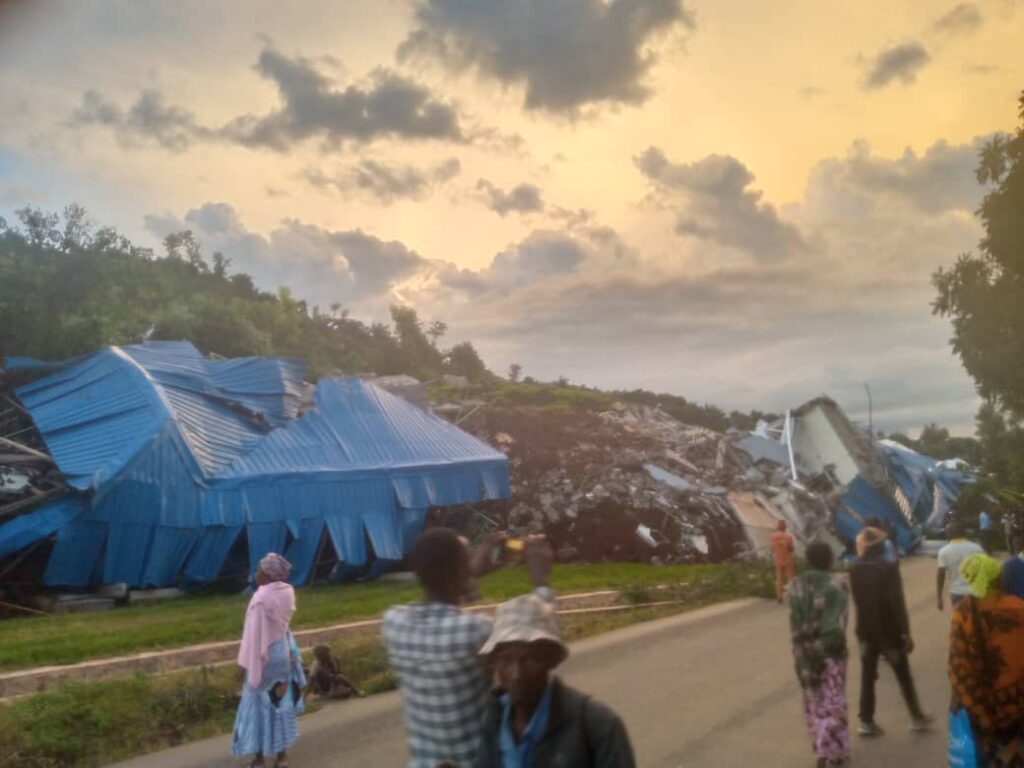

In many parts of Burundi, the effects of climate change are no longer a distant reality discussed only in international conferences. They are now visible in the daily lives of communities. Seasons have become increasingly unpredictable, some rivers overflow after heavy rains while other areas experience unusual periods of drought. For many rural families, these changes directly affect agriculture, household income, and sometimes even food security.
Across the hills of Burundi, many farmers explain that it has become difficult to know when to plant crops. Some harvests are destroyed by excessive rainfall, while others suffer from lack of water. Behind the statistics often mentioned in reports, there are human realities: parents losing their harvests, young people leaving their communities due to limited opportunities, and women walking longer distances to access essential resources.
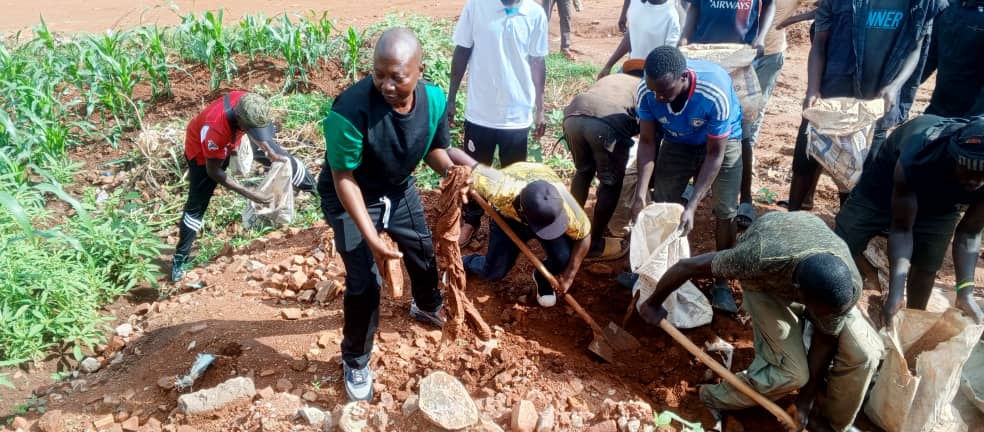
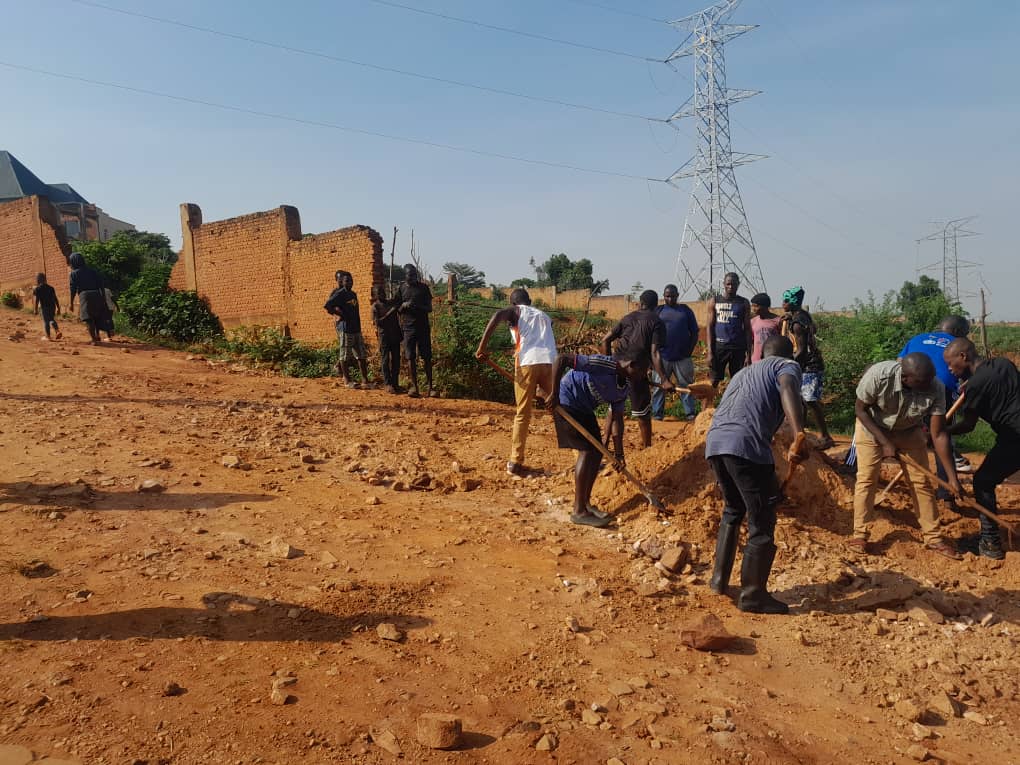
Yet despite these challenges, local communities are not remaining passive. In several regions of Burundi, community-led initiatives are gradually emerging to protect the environment, restore ecosystems, and strengthen local resilience. These efforts may sometimes appear modest, but they demonstrate that solutions do not only come from major institutions or decisions made far from affected communities.
On the ground, some communities organize tree-planting activities, protect water sources, and raise awareness about more sustainable agricultural practices. Young people are increasingly engaging in local environmental actions to preserve their surroundings. In several cases, local authorities, civil society organizations, and citizens have also started engaging in more dialogue around the climate-related challenges affecting their communities.
However, one important reality remains: the communities most affected by climate change are often the least involved in climate policy discussions. Decisions are sometimes made without fully listening to the experiences of local populations. Yet these communities possess valuable knowledge about their environment and the changes they have observed over the years.
This is why spaces for dialogue are essential. When citizens, local authorities, journalists, young people, and civil society actors come together to discuss environmental challenges, it becomes easier to identify solutions that are adapted to local realities. Dialogue also helps strengthen trust between stakeholders and encourages shared responsibility in responding to climate challenges.
In Burundi, environmental issues are not only about nature. They are also connected to governance, citizen participation, and local development. Sustainable management of natural resources requires the active involvement of the communities concerned. Without such participation, environmental policies risk remaining disconnected from realities on the ground.
Through its community initiatives and multi-stakeholder dialogues, seeks to promote a more inclusive approach to governance and climate action. The goal is not only to discuss environmental problems, but also to create spaces where citizens can share concerns, propose solutions, and actively contribute to conversations about the future of their communities.
Experience shows that participatory approaches can lead to more sustainable results. When communities feel heard and included, they are more likely to engage in protecting their environment. Local initiatives also gain greater legitimacy when they are built around the actual needs and realities of the population.
In the face of current climate challenges, it is important to recognize that local communities are not only victims of climate change. They are also carriers of ideas, knowledge, and solutions that deserve support and recognition.
Burundi is among the countries highly exposed to the effects of climate change, but it also possesses a strong human potential capable of contributing to sustainable responses. Encouraging citizen participation, strengthening local dialogue, and supporting community initiatives can become important steps toward a more inclusive and effective model of climate governance.
The fight against climate change will not be won only in major international conferences. It is also being shaped in villages, communities, and local spaces where people experience the consequences of climate change every day and, despite many challenges, continue searching for solutions adapted to their realities.